Underwater, and at construction sites in water too turbid to see through, radio waves do not travel. On the road, the spectrum is already crowded. On farms, in livestock barns and in greenhouses, the first sign of trouble is a sound. The circumstances differ, but the technique they call for is the same. We take the digital signal processing developed for wireless communication and apply it to acoustic waves and visible light, bringing communication, positioning and sensing to each of these settings.
College of Engineering Systems / Master’s and Doctoral Programs in Intelligent and Mechanical Interaction Systems, University of Tsukuba
The Laboratory in Numbers
54
Peer-reviewed
journal papers
68
International conference
presentations
95
Research awards
received
12
Institutions our graduate
students come from
6
Early PhD completions
(out of 10 PhDs awarded)
14
Outstanding Master’s Thesis
Awards (out of 48 graduates)
Papers, conference presentations and awards are those of this laboratory. Graduate figures are cumulative for 2011–2025. See the full list on the Publications page.
About the Laboratory

Our work centres on wireless communication and digital signal processing, and we place great value on building systems that actually work outside the laboratory. We do not stop at theory and simulation. The hardware our students design and build is carried out to real sea areas — Suruga Bay, the Shimoda Marine Research Center, and Tateyama — and into working pig farms, cattle barns and greenhouses.
Faculty
Tadashi Ebihara, Associate Professor
College of Engineering Systems, University of Tsukuba
He received his B.Eng., M.Eng. and Ph.D. degrees from the University of Tsukuba, with a doctoral thesis on the design of acoustic communication systems. His work centres on digital communication and signal processing — in particular underwater acoustic communication in shallow water, where multipath propagation, a channel that changes from moment to moment, and limited bandwidth all make fast, reliable links difficult to achieve.
Research Fields
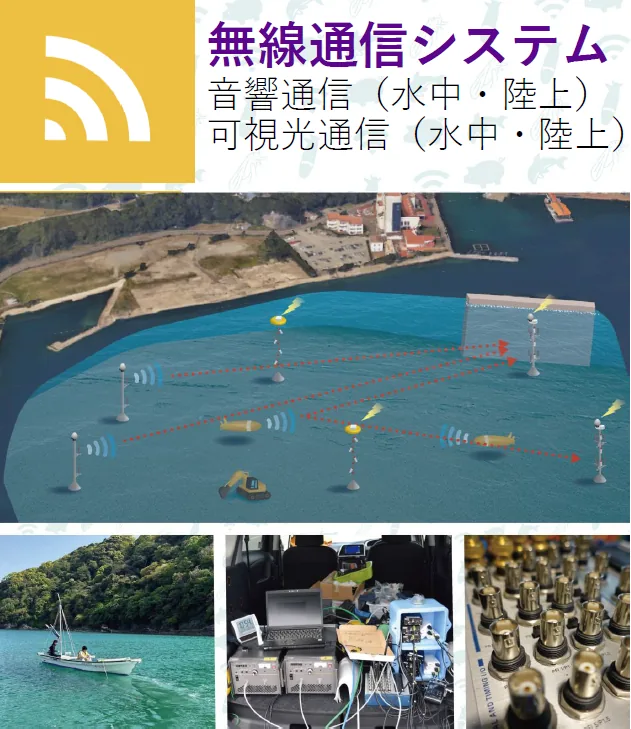
Underwater communication for the ocean IoT
Radio waves barely propagate underwater, so sound is the only practical carrier. We design schemes that stay fast and reliable even in shallow water, where multipath is severe and the channel changes from moment to moment with the waves — and we verify them at sea.
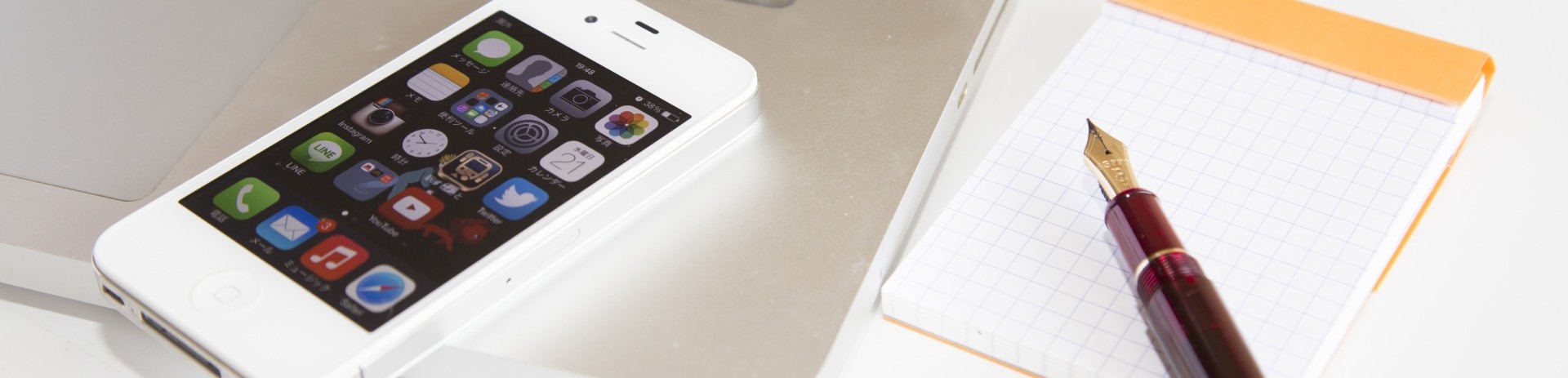
Acoustic communication using PA systems and smartphones
Sending data using nothing but the loudspeakers already around us and the microphone in a smartphone. We design modems light enough to run on ordinary consumer hardware, so that no new equipment has to be installed.
Visible light communication for intelligent transport systems
Traffic lights and vehicle headlamps are already LEDs, so we use their light itself to carry information. The strength of this approach is that it delivers data without interference, even where the radio spectrum is congested.
Acoustic monitoring for smart agriculture and livestock farming
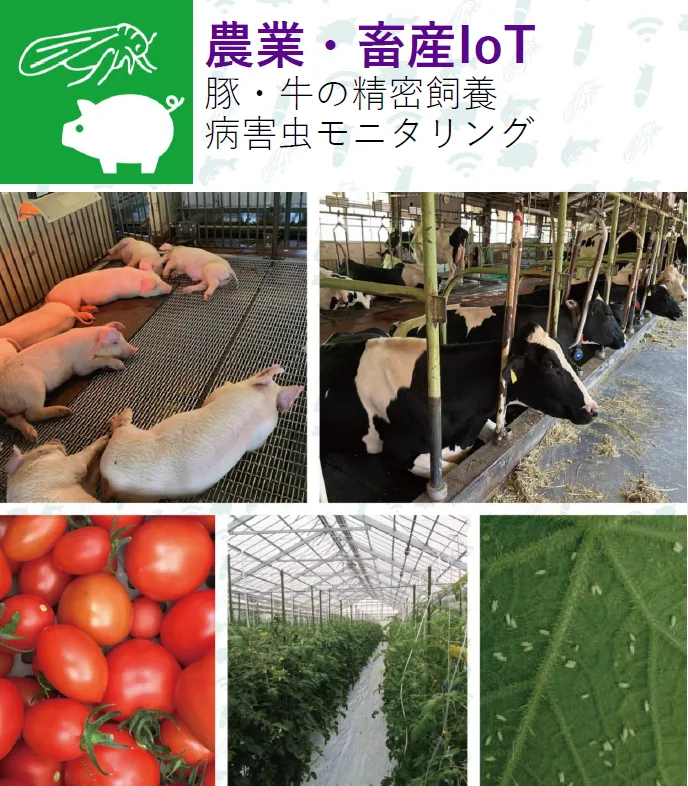
Detecting early signs of illness from the sound of a pig sneezing; finding whiteflies, a pest that is notoriously hard to control, inside a greenhouse. We apply signal processing to problems that farmers and livestock producers actually face.
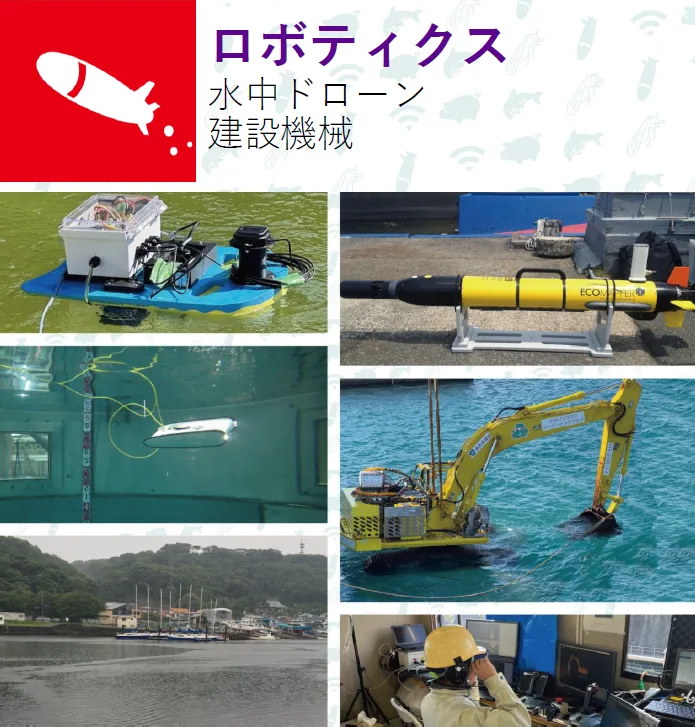
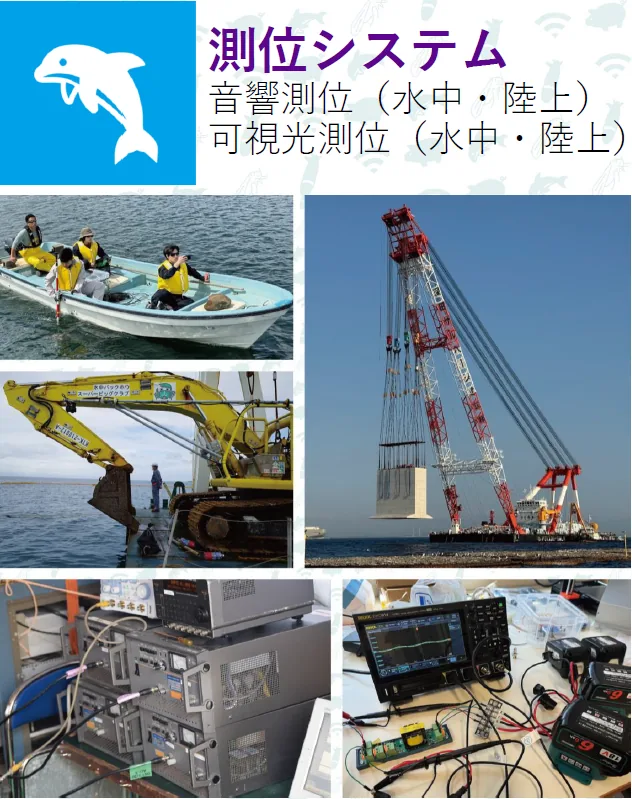
Information technology for underwater construction
In turbid water an operator cannot see where the machinery is. By making accurate positioning possible with sound and light, we aim to shorten construction schedules and make underwater work safer.
For a fuller description of our research, see the professor’s research profile.
Where Our Graduates Go
Our graduates move into telecommunications, electronics, automotive, construction and national research institutes. Our aim in supervision — to build broad knowledge and the initiative to work anywhere — is reflected in that range.
Yamaha / Aomi Construction / Tome R&D / Toyota Motor / TOA / DENSO / NARO (National Agriculture and Food Research Organization) / Sumitomo Electric Industries / Obayashi / Maeda Corporation / NTT East / KDDI / Fujitsu / Toshiba Digital Solutions / Nomura Research Institute / NTT Laboratories / AIST (National Institute of Advanced Industrial Science and Technology) / Sony / NEC / Mitsubishi Electric / SoftBank / Nisshin Seifun / Onkyo / JTEKT / Yamaha Sound Systems / Denso Ten / Mizuho Information & Research Institute / NTT Comware / Mitsubishi Electric Building Techno-Service / Canon / Metropolitan Police Department / NTT Data (in no particular order)
Thinking of joining us?
Our graduate students come from 12 different universities and colleges, so joining us from outside the University of Tsukuba is entirely normal here. No specific prior knowledge is required — what matters is curiosity, initiative and a willingness to try things you have not tried before.
Enquiries are welcome even before you have decided where to apply. “I would simply like to hear what you work on” is a perfectly good reason to get in touch. See the Admissions page for how to visit us, or write to us directly.
E-mail: ebihara <at mark> iit.tsukuba.ac.jp
 実海域実験@駿河湾


